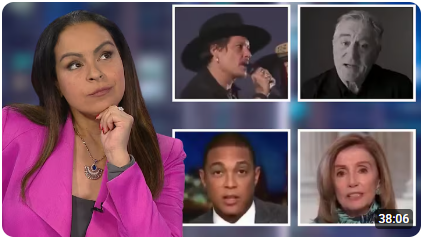
In today’s political climate, conversations around violence, rhetoric, and national security are becoming more intense—and more polarized. The video argues that internal threats, particularly politically motivated violence within the United States, are being underestimated compared to external threats like China.





Whether you agree or disagree, this perspective highlights an important reality: how we define “threats” often depends on political framing, media narratives, and personal worldview.
The Core Argument
The central claim in the video is bold:
Domestic political violence—specifically from left-leaning groups—is portrayed as a growing and underreported threat, potentially more immediate than foreign adversaries.
This argument rests on two main ideas:
- Internal instability can be more dangerous than external enemies
- Media and political leaders selectively highlight or downplay certain types of violence
The Role of Political Rhetoric
One of the strongest themes is the idea that words influence behavior.
The video suggests that:
- Heated political language can escalate tensions
- Public figures may unintentionally—or intentionally—fuel division
- Repeated messaging can normalize extreme viewpoints
This raises a broader issue:
👉 When does rhetoric cross the line from passionate disagreement into something that encourages real-world harm?
Media Framing and Selective Coverage
Another key point is how media outlets shape public perception.
The argument is that:
- Some acts of violence receive heavy coverage
- Others are minimized or ignored depending on political alignment
- This creates a distorted understanding of reality
This isn’t a new concern. Media bias—whether perceived or real—has long influenced how people interpret events.
The takeaway here is simple:
What you see depends on where you’re looking.
Comparing Domestic vs Foreign Threats
The video contrasts two types of threats:
1. External Threats (e.g., China)
- Economic competition
- Military power
- Cybersecurity risks
2. Internal Threats (Domestic Violence)
- Political extremism
- Civil unrest
- Ideological division
The argument emphasizes that internal threats can destabilize a country from within, often faster than external enemies can from the outside.
Why This Conversation Matters
Even if you don’t fully agree with the framing, the broader discussion is important.
Here’s why:
- Polarization is increasing on all sides
- Trust in institutions is declining
- Public discourse is becoming more extreme
These trends create an environment where:
- People stop listening
- Groups become more isolated
- Conflict becomes more likely
A Reality Check
Let’s be clear—this is a commentary perspective, not a neutral report.
That means:
- It highlights certain examples while leaving others out
- It reflects a particular political viewpoint
- It’s designed to provoke thought (and reaction)
If you want a complete understanding, you should:
- Compare multiple sources
- Look at actual data on political violence
- Question both sides—not just the one you disagree with
Final Thoughts
The biggest takeaway isn’t about choosing sides.
It’s this:
👉 A divided society becomes vulnerable—no matter where the pressure comes from.
Focusing only on external threats while ignoring internal fractures can be risky. But so can exaggerating one side of the political spectrum while ignoring the other.
The real challenge isn’t just identifying threats.
It’s learning how to:
- Reduce division
- Encourage honest dialogue
- Stay grounded in facts—not just narratives
Bottom Line
- Political violence—of any kind—is a serious issue
- Media framing plays a powerful role in shaping perception
- Internal division can be just as dangerous as external threats
- Critical thinking is your best defense in a polarized world
*Disclaimer: In 2026, the fake media is twisting the truth to fit their narrative. As American citizens, we find more truth on YouTube than in the major media outlets. The purpose of ExposingDemocrats.com is to help uncover the truth. Every video ARTICLE is generated using AI with this exact PROMPT: Create an article to explain this video: (copy/paste YouTube link). We do NOT edit or add anything to these video articles. WE ARE NOT ASSOCIATED WITH YOUTUBE. We are Americans trying to help save our country.