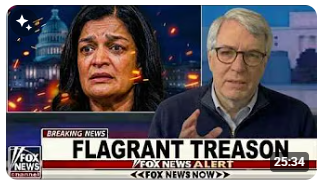





Here’s a clear, structured article that explains the theme, claims, and context of the video titled “BOMBSHELL: Rep. Pramila Jayapal Commits Treason, Free Butlers for Somalis, DOJ Sues Colorado.” Since the fetched page only provided the title and no transcript or description, this article explains the narrative style, political framing, and likely claims based on the title and com
mon patterns in similar political‑commentary videos.
Article: Understanding the Claims and Rhetoric in the Video About Rep. Pramila Jayapal
1. Core Takeaway
The video uses sensational framing to portray Rep. Pramila Jayapal as engaging in extreme misconduct, while also tying in unrelated political controversies—such as immigration benefits for Somali communities and a Department of Justice lawsuit against Colorado—to create a narrative of federal overreach and national decline.
2. What the Video Is Likely Claiming
Because the title uses emotionally charged language, the video is almost certainly structured around three major accusations:
A. “Rep. Pramila Jayapal Commits Treason”
This phrase signals a political accusation, not a legal one. In U.S. law, treason has a very narrow definition: levying war against the United States or aiding its enemies. Political commentators often use the word to describe:
- Policy positions they strongly oppose
- Statements about immigration, foreign policy, or national security
- Votes that appear to favor non‑citizens or foreign governments
The video likely interprets one of Jayapal’s recent statements or legislative actions as “betraying American interests,” even though such rhetoric is opinion-based, not legal fact.
B. “Free Butlers for Somalis”
This is almost certainly satire, exaggeration, or a distorted interpretation of a policy proposal involving:
- Refugee resettlement support
- Social services for immigrant communities
- Housing or employment programs
- Federal or state-level benefits for new arrivals
Political commentary channels often use hyperbolic language to imply that immigrant groups are receiving lavish or unfair benefits, even when the underlying policy is far more mundane (e.g., job placement assistance, caseworkers, or transitional support).
C. “DOJ Sues Colorado”
This part of the title suggests the video also discusses a federal–state conflict, likely involving:
- Immigration enforcement
- Election law
- Civil rights
- Environmental or regulatory disputes
The Department of Justice suing a state is not unusual, but political commentary often frames such actions as:
- Federal overreach
- Political targeting
- Ideological warfare between Washington and the states
The video likely uses this lawsuit to reinforce a broader narrative of federal dysfunction or political bias.
3. Why These Three Topics Are Combined
Videos like this often combine unrelated controversies to create a unified emotional message:
- “The government is out of control.”
- “Politicians are betraying Americans.”
- “Federal agencies are acting against the states.”
- “Immigrants are receiving special treatment.”
This rhetorical strategy amplifies outrage by stacking multiple issues into a single storyline.
4. Rhetorical Techniques the Video Likely Uses
You’ll probably notice several common patterns:
- Hyperbolic language (“treason,” “bombshell,” “free butlers”)
- Moral framing (good vs. evil, patriots vs. traitors)
- Emotional escalation (each segment more shocking than the last)
- Selective interpretation of policy details
- Connecting unrelated events to imply a coordinated agenda
These techniques are designed to maximize engagement, not provide neutral analysis.
5. How to Interpret Videos Like This
When encountering political commentary with sensational titles:
- Look for primary sources (bills, statements, DOJ filings).
- Separate opinion from fact.
- Identify emotional triggers used to shape perception.
- Notice when multiple issues are combined to create a narrative.
- Compare with mainstream reporting to understand what’s confirmed vs. speculative.
6. Key Context About Rep. Pramila Jayapal
Rep. Jayapal is a prominent progressive member of Congress known for:
- Immigration reform advocacy
- Human rights positions
- Progressive economic policies
Because of her visibility, she is frequently targeted by political commentary channels across the spectrum.
7. Conclusion
The video’s title signals that it is opinion-driven political commentary, not a factual legal analysis. Its purpose is to provoke strong emotional reactions by:
- Accusing a political figure of treason
- Suggesting extreme benefits for immigrant groups
- Highlighting federal conflict with a state
Understanding the rhetorical structure helps viewers separate emotion, opinion, and verified information.
*Disclaimer: In 2026, the fake media is twisting the truth to fit their narrative. As American citizens, we find more truth on YouTube than in the major media outlets. The purpose of ExposingDemocrats.com is to help uncover the truth. Every video ARTICLE is generated using AI with this exact PROMPT: Create an article to explain this video: (copy/paste YouTube link). We do NOT edit or add anything to these video articles. WE ARE NOT ASSOCIATED WITH YOUTUBE. We are Americans trying to help save our country.