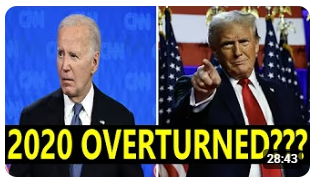
A new surge of claims, legal arguments, and online discussion is once again pulling the 2020 U.S. presidential election into the national spotlight. The video by Brian Maxwell’s Real Politics Podcast highlights what some commentators describe as “overwhelming new evidence” that they believe could justify revisiting — or even attempting to uncertify — the election results. These assertions have sparked renewed debate across political, legal, and media circles.





While supporters of the claims argue that the material raises unresolved questions about election processes, critics counter that the allegations remain disputed and would require validation through established legal channels. The result is a fresh round of public conversation about election integrity, transparency, and the role of courts in adjudicating contested claims.
What the New Claims Allege
According to the commentary in the video, the newly surfaced material includes:
- Assertions of procedural irregularities in key states
- Data analyses that some claim point to statistical anomalies
- Renewed legal arguments suggesting certain certifications could be challenged
- Commentary alleging partisan misconduct by election officials
These claims are presented as significant enough to warrant national attention, though they have not been confirmed by courts or election authorities.
What’s Confirmed vs. What’s Disputed
The video emphasizes a distinction between:
- Publicly available records, which show that multiple states conducted audits, recounts, and legal reviews following the 2020 election
- Newly circulated analyses, which are being promoted by commentators but have not undergone judicial scrutiny
Election officials and courts across the country previously affirmed the certified results, while many of the new claims remain untested or contested.
The video frames the situation as one where public perception and legal standards may diverge — with some citizens feeling unresolved concerns despite official conclusions.
How Courts Typically Evaluate Election Claims
The analysis in the video outlines the legal framework courts use when evaluating election-related challenges:
- Evidence must be specific, documented, and legally relevant
- Claims must demonstrate measurable impact, not just procedural concerns
- Judges require clear causal links between alleged irregularities and election outcomes
- Timing matters — challenges filed long after certification face steep legal hurdles
This context is important because it shapes whether new claims could meaningfully affect past results or future legal strategies.
Why This Matters Heading Into Upcoming Elections
The renewed debate has implications beyond the 2020 contest:
- Voter confidence: Discussions about election integrity can influence how citizens view the legitimacy of democratic processes.
- Political messaging: Candidates may use these narratives to energize supporters or frame their campaigns.
- Turnout dynamics: Concerns — or reassurance — about election systems can affect participation rates.
- Policy proposals: Expect continued debate over voting laws, audits, and election security measures.
The video suggests that these conversations could shape the tone and strategy of upcoming election cycles, regardless of whether the new claims lead to legal action.
Public Reaction and National Conversation
Reactions to the video and the broader claims span the political spectrum:
- Supporters argue that transparency demands a closer look at any new evidence.
- Skeptics maintain that the claims recycle previously disputed allegations.
- Legal analysts emphasize the difference between political commentary and judicial standards.
The result is a renewed national conversation — one that blends legal interpretation, political identity, and public trust.
A Debate That Continues to Evolve
The video positions itself as a breakdown of claims, context, and public reaction rather than a declaration of fact. As new narratives emerge and old ones resurface, the debate over the 2020 election remains a powerful force in American political life.
Whether the latest wave of claims leads to legal action, policy changes, or simply more public discussion, one thing is clear: the conversation about election integrity is far from over.
*Disclaimer: In 2026, the fake media is twisting the truth to fit their narrative. As American citizens, we find more truth on YouTube than in the major media outlets. The purpose of ExposingDemocrats.com is to help uncover the truth. Every video ARTICLE is generated using AI with this exact PROMPT: Create an article to explain this video: (copy/paste YouTube link). We do NOT edit or add anything to these video articles. WE ARE NOT ASSOCIATED WITH YOUTUBE. We are Americans trying to help save our country.