




What Rep. Keith Self Said About Sharia Law — And Why the Audience Reacted Strongly
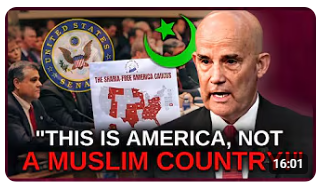
The video features U.S. Representative Keith Self addressing a Muslim-majority audience during a public forum. His remarks center on Sharia law, its perceived implications, and how it intersects with American constitutional values. The clip is framed to highlight a moment where the audience appears taken aback or “speechless,” according to the title.
Below is a clear, balanced explanation of what happens and why it matters.
1. The Core Claim: Sharia Law vs. U.S. Constitutional Law
Rep. Keith Self argues that Sharia law is fundamentally incompatible with the U.S. Constitution. His key points include:
- The Constitution is the supreme law of the land, and no religious legal system can override it.
- Sharia, in his view, includes legal, political, and social components that extend beyond personal religious practice.
- He suggests that certain interpretations of Sharia could conflict with American principles such as:
- Equal protection under the law
- Freedom of speech
- Freedom of religion
- Gender equality
This framing is common in political debates where lawmakers express concern about foreign legal systems influencing American governance.
2. Why the Audience Reacted Strongly
The audience’s reaction—described as “speechless” in the video title—likely stems from several factors:
A. Sharia Is Often Misunderstood
For many Muslims, Sharia is primarily a personal moral and spiritual code, not a political legal system they seek to impose on others.
B. The Statement Implies Distrust
When a public official suggests that Sharia is a threat, Muslim listeners may feel:
- Misrepresented
- Singled out
- Accused of disloyalty to the United States
C. The Framing Was Confrontational
Rep. Self’s tone and directness appear designed to provoke a reaction or highlight a perceived ideological clash.
3. The Broader Context: Religion, Law, and American Identity
This exchange fits into a larger national conversation about:
- Religious freedom
- Cultural integration
- The role of faith in public life
- How minority communities are perceived in political discourse
Many Americans—including Muslims—believe deeply in constitutional values and see no contradiction between their faith and their citizenship. Others, like Rep. Self, argue that certain religious legal frameworks pose a risk if adopted politically.
4. Why Videos Like This Go Viral
Content like this spreads quickly because it taps into:
- Political polarization
- Cultural tension
- Fear-based narratives
- Identity-based debates
The title’s dramatic framing (“SPEECHLESS”) is designed to amplify emotional impact and drive engagement.
5. What the Video Ultimately Shows
At its core, the video captures:
- A direct, confrontational statement by a U.S. Representative
- A visibly tense moment with a Muslim audience
- A debate about constitutional supremacy
- A clash of perspectives on what Sharia means
It’s less about detailed policy and more about symbolic political messaging.
*Disclaimer: In 2026, the fake media is twisting the truth to fit their narrative. As American citizens, we find more truth on YouTube than in the major media outlets. The purpose of ExposingDemocrats.com is to help uncover the truth. Every video ARTICLE is generated using AI with this exact PROMPT: Create an article to explain this video: (copy/paste YouTube link). We do NOT edit or add anything to these video articles. WE ARE NOT ASSOCIATED WITH YOUTUBE. We are Americans trying to help save our country.