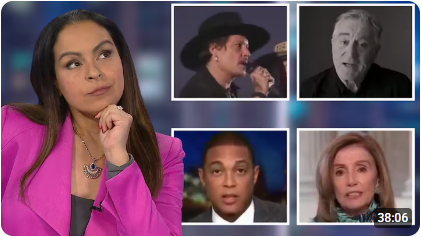
The video “Lefties Losing It: Left-wing violence a bigger threat than China”—hosted by Rita Panahi—dives into a controversial and emotionally charged claim about political rhetoric and its real-world consequences.





At its core, the video argues that certain political language and narratives—particularly from left-leaning figures—are contributing to a climate of hostility and, in some cases, violence.
Whether you agree or not, the topic hits on something real:
👉 Words matter—and in today’s media environment, they travel fast.
The Core Argument: Rhetoric Has Consequences
The video presents a strong viewpoint:
- Political rhetoric is becoming more aggressive
- Language used by public figures can influence behavior
- Certain narratives may be escalating tensions rather than calming them
It frames recent incidents and commentary as evidence that rhetoric isn’t just talk—it can shape real-world outcomes.
That’s the central claim.
Why This Conversation Exists Now
This isn’t happening in a vacuum. There are a few reasons this topic keeps surfacing:
1. Constant Exposure to Political Content
People are consuming more political media than ever—daily clips, debates, reactions, and commentary.
2. Social Media Amplification
A single statement can be clipped, shared, and viewed by millions within hours.
3. Emotional Framing
Content that sparks outrage or fear spreads faster than calm, balanced discussion.
Put simply:
👉 The louder the message, the farther it travels.
The Role of Commentary Media
It’s important to call this out directly—this video is commentary, not neutral reporting.
That means:
- It highlights examples that support a specific viewpoint
- It uses tone and framing to guide interpretation
- It simplifies complex issues into clear, strong conclusions
That’s not unusual. It’s how modern opinion media works.
But it does mean you need to watch it differently.
The Bigger Issue: Political Polarization
The real story here isn’t just about one side of the political spectrum.
It’s about a broader shift:
- People are more divided than before
- Media ecosystems cater to specific audiences
- Opposing sides increasingly view each other as threats
When that happens, rhetoric naturally becomes more intense.
And when rhetoric intensifies… so does reaction.
Does Rhetoric Actually Lead to Violence?
This is where things get complicated.
There’s no simple answer.
- Some argue strong language can inspire harmful actions
- Others say individuals—not rhetoric—are responsible for behavior
- Many point out that heated language exists across the political spectrum
The truth likely sits somewhere in the middle:
👉 Rhetoric doesn’t act alone—but it can influence the environment people operate in.
Why These Clips Go Viral
Content like this spreads for a reason:
- It presents a clear, bold claim
- It taps into existing beliefs
- It creates a sense of urgency or concern
And most importantly:
👉 It gives people a simple explanation for complex problems.
That’s powerful—even if it’s incomplete.
How to Watch This Without Getting Pulled In
If you want to stay grounded while watching content like this:
- Look for full context, not just selected clips
- Ask what perspective is being emphasized
- Compare multiple viewpoints
- Separate emotional delivery from factual claims
Most viewers don’t do this—and that’s why these videos hit so hard.
Final Thoughts
This video isn’t just about politics—it’s about influence.
👉 Influence through words
👉 Influence through media
👉 Influence through repetition
The real takeaway is simple:
In today’s world, rhetoric doesn’t just reflect reality—it helps shape it.
And if you understand that, you’re thinking at a much higher level than most people consuming this kind of content.
*Disclaimer: In 2026, the fake media is twisting the truth to fit their narrative. As American citizens, we find more truth on YouTube than in the major media outlets. The purpose of ExposingDemocrats.com is to help uncover the truth. Every video ARTICLE is generated using AI with this exact PROMPT: Create an article to explain this video: (copy/paste YouTube link). We do NOT edit or add anything to these video articles. WE ARE NOT ASSOCIATED WITH YOUTUBE. We are Americans trying to help save our country.