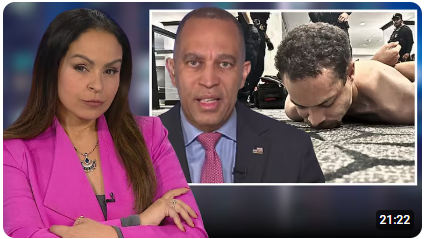
The video “Lefties Losing It: Dems now advocating for peace despite history of ‘whipping up fear and hate’”—hosted by Rita Panahi—dives into a sharp critique of political messaging and how it evolves over time.





At its core, the video raises a pointed question:
👉 Can political figures shift their tone without being held accountable for past rhetoric?
That tension—between past messaging and present positioning—is what drives the entire discussion.
The Core Argument: A Shift in Tone
The video highlights what it frames as a contradiction:
- Some political figures are now calling for unity, calm, or peace
- But have previously used strong, emotionally charged rhetoric
- The contrast is presented as inconsistent—or even hypocritical
This shift is positioned as a strategic move rather than a genuine change in perspective.
Whether that’s fair or not depends on how you interpret political communication.
Why Political Messaging Changes
Let’s be real—political messaging is rarely static.
It evolves based on:
1. Changing Circumstances
Events, public sentiment, and crises force leaders to adjust their tone.
2. Audience Expectations
Different audiences respond to different messaging styles—calm vs. urgency, unity vs. opposition.
3. Strategic Positioning
Politicians often adapt language to align with current priorities or narratives.
That’s not new. It’s how politics has always worked.
The Role of Media Commentary
This video is not neutral reporting—it’s commentary.
That means:
- It selects examples that support a specific argument
- It emphasizes contrast between past and present statements
- It frames the narrative in a way that highlights inconsistency
That approach is designed to provoke reaction—and it works.
The Bigger Issue: Selective Memory in Politics
Here’s the uncomfortable truth:
👉 Every political side rewrites its messaging over time.
- Strong rhetoric during campaigns often softens afterward
- Calls for unity often follow periods of division
- Language shifts depending on whether a group is gaining or losing influence
The video focuses on one side—but the pattern exists across the entire political spectrum.
Why These Clips Gain Traction
Content like this spreads fast for a reason:
1. It Simplifies Complexity
Instead of analyzing long-term political strategy, it presents a clear contrast: “then vs. now.”
2. It Triggers Emotional Response
Viewers react to perceived hypocrisy more strongly than to policy discussions.
3. It Reinforces Existing Beliefs
People are more likely to engage with content that confirms what they already think.
That combination makes it highly shareable.
Context vs. Soundbites
The biggest risk with videos like this is what gets left out.
Short clips often:
- Remove surrounding context
- Focus only on the most intense statements
- Skip over nuance or explanation
That doesn’t mean the clips are false—it means they’re incomplete.
And incomplete information can be just as misleading as incorrect information.
What This Says About Today’s Media Environment
This video reflects a larger shift in how people consume politics:
Narrative Battles Matter More Than Policies
Public perception is often shaped by messaging, not detailed policy discussions.
Consistency Is Constantly Scrutinized
Past statements are easily accessible and frequently used for comparison.
Media Is No Longer Passive
Audiences actively analyze, clip, and redistribute content themselves.
How to Watch This Without Getting Pulled In
If you want to stay sharp while consuming content like this:
- Look at full speeches or timelines—not just clips
- Ask whether the comparison is fair or selective
- Consider context: what changed between “then” and “now”?
- Recognize the perspective of the person presenting the argument
Most people don’t go this far—and that’s why these videos are effective.
Final Thoughts
This video isn’t just about one political moment—it’s about how narratives are built.
👉 Highlight the past
👉 Contrast it with the present
👉 Frame it as contradiction
That formula is powerful—and widely used.
The real takeaway:
Political messaging will always evolve. The question isn’t whether it changes—it’s whether you understand why it changes.
*Disclaimer: In 2026, the fake media is twisting the truth to fit their narrative. As American citizens, we find more truth on YouTube than in the major media outlets. The purpose of ExposingDemocrats.com is to help uncover the truth. Every video ARTICLE is generated using AI with this exact PROMPT: Create an article to explain this video: (copy/paste YouTube link). We do NOT edit or add anything to these video articles. WE ARE NOT ASSOCIATED WITH YOUTUBE. We are Americans trying to help save our country.