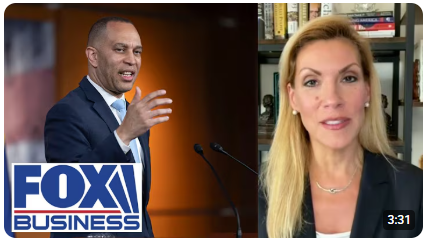
This video appears to focus on growing political frustration, media narratives, and the widening divide between opposing ideological groups in America. Much of the discussion centers around how modern politics has shifted from policy disagreements into emotional and cultural warfare, where people increasingly view opponents not simply as wrong — but as dangerous.





The broader theme reflects a growing trend in political commentary videos across platforms like YouTube and independent media channels: many creators now frame politics as a battle over identity, trust, and cultural survival rather than traditional left-versus-right debates.
The Core Argument of the Video
The video argues that political conflict today is driven heavily by emotional manipulation, media amplification, and outrage cycles. According to the commentary, politicians and media figures often benefit when audiences are angry, fearful, or emotionally activated.
Several major points appear throughout the discussion:
- Opponents are increasingly portrayed as immoral or evil instead of simply having different opinions.
- Media ecosystems reward outrage because outrage drives clicks, views, and engagement.
- Political tribalism has become stronger than independent thinking.
- Many voters now consume information primarily from sources that reinforce existing beliefs.
- Public trust in institutions continues to erode.
The video suggests this cycle creates a feedback loop where fear and anger become political tools.
How Media Amplifies Division
One of the biggest themes is the role of modern media and social platforms in escalating conflict. The rise of algorithm-driven content means emotionally charged stories often outperform balanced discussions.
This creates incentives for:
- sensational headlines,
- extreme commentary,
- viral outrage clips,
- and simplified narratives.
Research on online platforms has repeatedly shown that emotionally intense content spreads faster than calm analysis. The structure of social media rewards reaction rather than reflection.
The video argues that many viewers are beginning to recognize this pattern, leading to declining trust in traditional media outlets and political institutions.
Why Political Demonization Happens
The commentary also explores why politicians demonize opponents in the first place.
According to the argument presented:
- Fear motivates voter turnout.
- Anger increases political engagement.
- Dividing people into “good” versus “evil” simplifies complicated issues.
- Emotional narratives are easier to market than nuanced policy discussions.
Instead of persuading undecided voters with detailed policy debates, modern campaigns often focus on energizing loyal supporters emotionally.
The video frames this as a major reason political conversations have become increasingly hostile.
The Psychological Effect on Everyday Americans
Another major takeaway is the emotional exhaustion many Americans feel from nonstop political conflict.
The video suggests constant exposure to outrage-driven news can lead to:
- anxiety,
- distrust,
- anger,
- hopelessness,
- and social isolation.
Friends and families increasingly avoid political discussions altogether because disagreements quickly become personal.
This reflects a broader cultural shift where politics is no longer viewed merely as civic participation but as part of personal identity.
Independent Media vs Traditional Media
The video also touches on the rise of independent commentators and alternative media channels.
Many viewers now turn to independent creators because they believe:
- mainstream outlets are biased,
- corporate media protects political interests,
- or important stories are selectively covered.
This trend has dramatically changed the media landscape over the past decade. Independent creators on YouTube now compete directly with major news organizations for audience attention.
However, the video also implies that independent media can sometimes intensify polarization too, especially when creators rely heavily on outrage content for growth.
Why These Videos Gain Massive Attention
Political commentary videos like this often perform well because they tap into strong emotions people already feel:
- frustration,
- distrust,
- fear about the future,
- and anger toward institutions.
Audiences are increasingly searching for explanations about why the country feels more divided than before.
The video positions itself as exposing patterns that many viewers believe traditional media ignores.
Final Thoughts
The larger message of the video is that America’s political divide is being fueled not only by policy disagreements, but by media incentives, emotional manipulation, and tribal thinking.
Whether viewers fully agree with the video’s perspective or not, it reflects a growing frustration many Americans feel toward:
- political elites,
- media institutions,
- and the nonstop cycle of outrage-driven news.
The conversation ultimately raises an important question:
Can political discourse return to debate and discussion — or has modern media permanently transformed politics into emotional conflict entertainment?
*Disclaimer: In 2026, the fake media is twisting the truth to fit their narrative. As American citizens, we find more truth on YouTube than in the major media outlets. The purpose of ExposingDemocrats.com is to help uncover the truth. Every video ARTICLE is generated using AI with this exact PROMPT: Create an article to explain this video: (copy/paste YouTube link). We do NOT edit or add anything to these video articles. WE ARE NOT ASSOCIATED WITH YOUTUBE. We are Americans trying to help save our country.